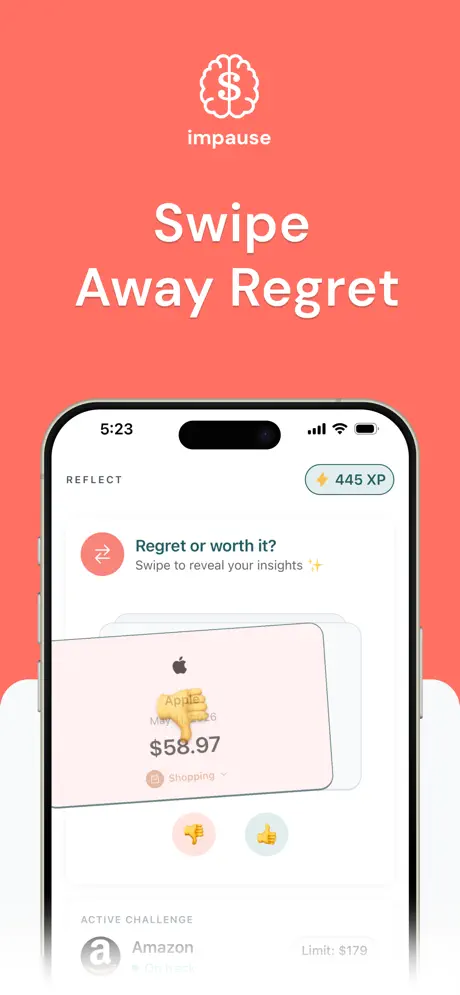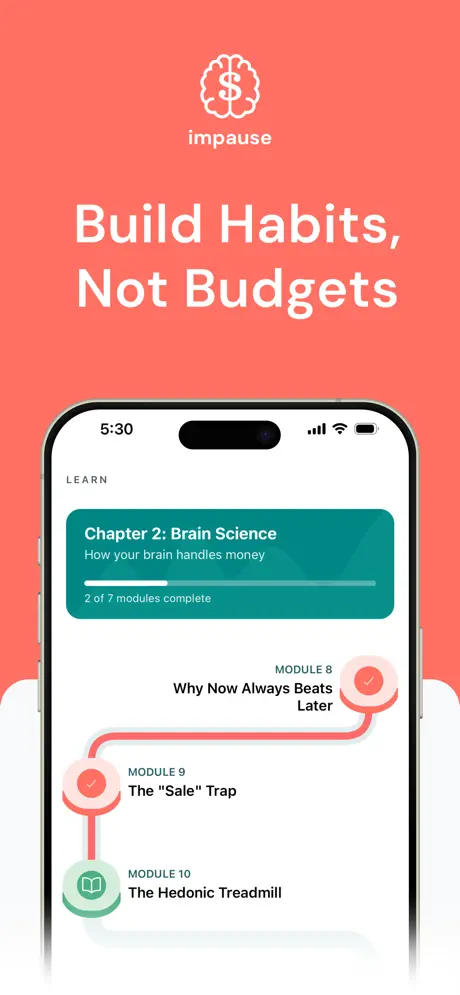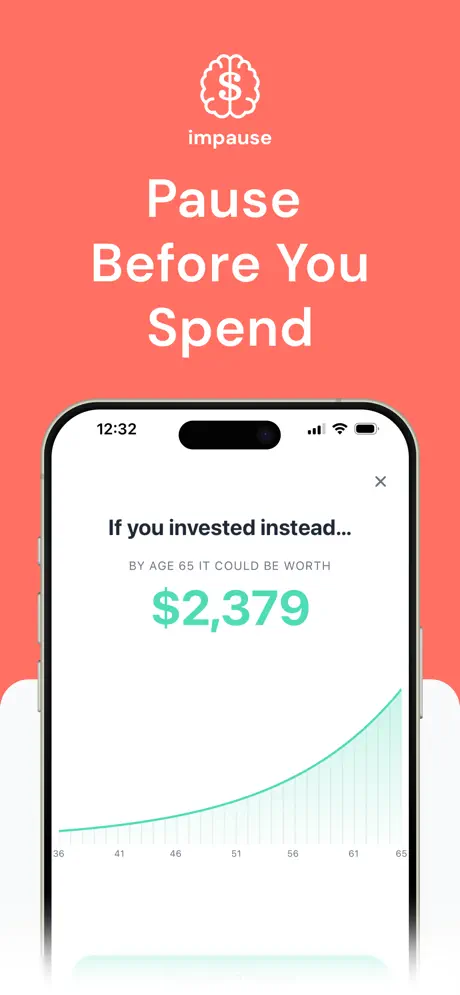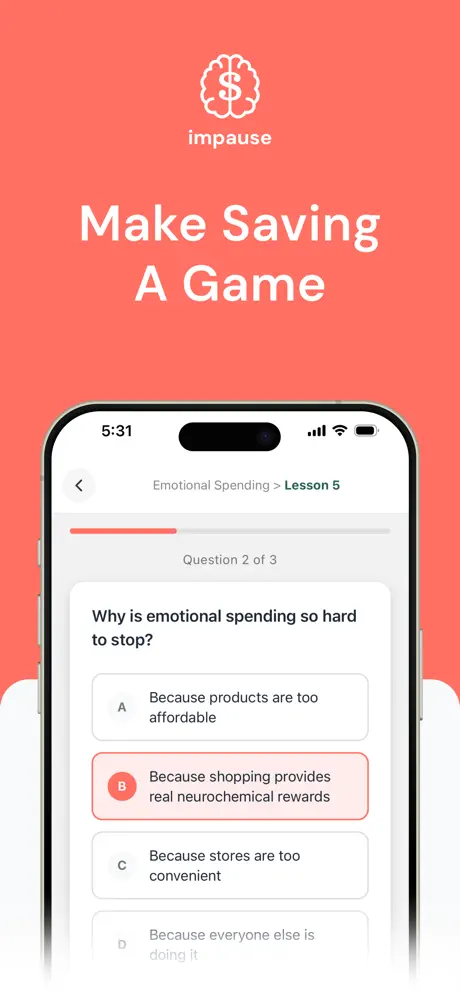
Technical architecture
AI-powered behavioral finance app backed by Harvard & MIT research — React Native Expo frontend, Supabase backend with row-level security, Plaid open banking integration, and a behavioral AI engine that learns individual spending patterns.

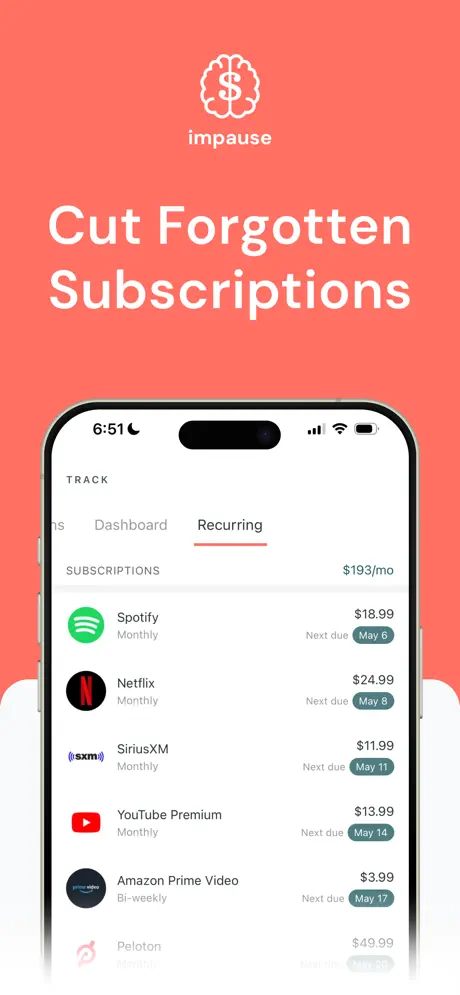
Product screenshots
Tech stack
Engagement
Backed by
Technical highlights
Most finance apps tell users they spend too much on coffee. Impause builds an individual behavioral model per user — transaction history from Plaid is analyzed through a chain of OpenAI calls that identify recurring patterns, emotional spending triggers, and category drift over time. Each insight is personalized to that user's actual data, not a demographic average. The AI layer runs on structured prompts with transaction context injected at inference time, with outputs validated against a schema before surfacing to the UI.
Impause connects to users' real bank accounts via Plaid Link — the OAuth-style flow that lets users authenticate with their bank without exposing credentials to the app. Plaid returns categorized transaction history, account balances, and institution metadata, which flows into Supabase through an Edge Function that normalizes and deduplicates entries before persistence. The entire ingestion pipeline is serverless: no backend infrastructure to maintain, no database migrations for new bank formats.
Every table in the Supabase PostgreSQL database has row-level security policies that bind data access to the authenticated user's JWT. A user can never read another user's transactions, budgets, or AI history — the database enforces isolation at the query level, before any application code runs. Edge Functions that process Plaid webhooks use a service-role key scoped to write-only operations, ensuring the ingest path cannot be used to read user data even if the function is compromised.
We've shipped Impause end-to-end — from Plaid integration to AI behavioral models — in under six months. We can do the same for your product.
Start a conversation →