The brief
A smarter kind of finance app — one that changes behavior, not just tracks it
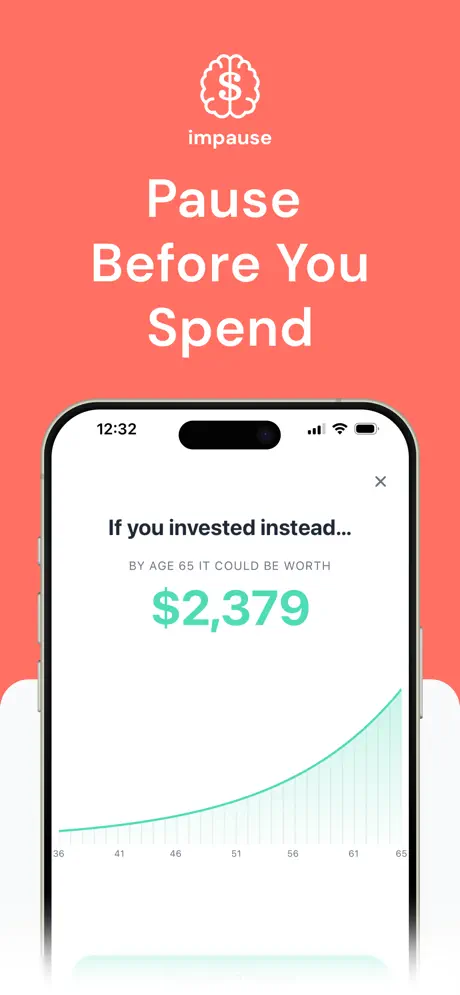
Most personal finance apps are built on the same flawed assumption: that people overspend because they don't know how much they're spending. Impause was founded on a different insight — people overspend because of psychological triggers, not ignorance. The fix isn't a better spreadsheet. It's behavioral intervention at the moment a purchase impulse occurs.
Backed by peer-reviewed research from Harvard, MIT, Wharton, and Berkeley, Impause needed a technical team who could translate a sophisticated behavioral science framework into a polished, production-grade consumer app. That meant building an AI engine that learns individual spending patterns, a financial data layer via Plaid, a real-time Supabase backend, and a user experience compelling enough to drive daily habit change — all in a single, cross-platform codebase that could ship on iOS immediately and expand to Android without a rebuild.
TBox took on the entire technical scope: product architecture, mobile frontend, backend infrastructure, AI feature implementation, and third-party integrations — executing against feature scopes delivered in Jira sprints by the Impause team.
What TBox built
Every layer of the product, owned end to end
- Architected and built the full React Native Expo application — a deliberate cross-platform decision enabling iOS launch with full Android readiness from a single codebase, eliminating the cost and delay of a separate native Android build.
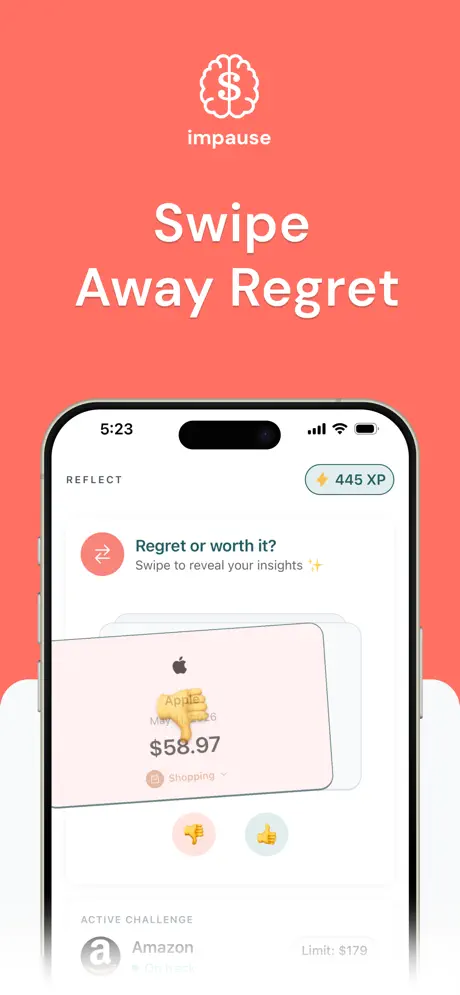
- Built the AI behavioral engine: the swipe-based purchase pattern recognition system that learns individual spending triggers, mood correlations, and regret patterns — the core differentiator that sets Impause apart from every other budgeting app.
- Designed and built the psychological expense cards — the in-moment intervention UI that surfaces behavioral insights and science-backed reframing tools at the exact point a purchase impulse occurs.
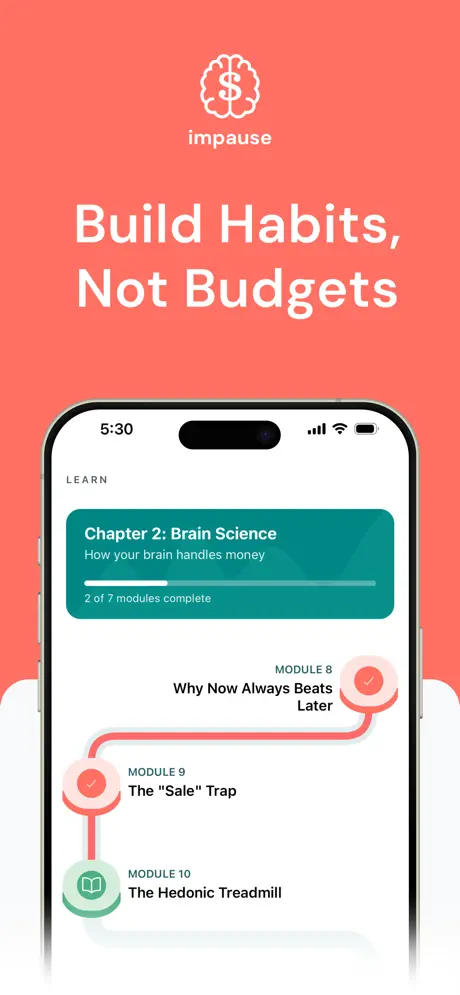
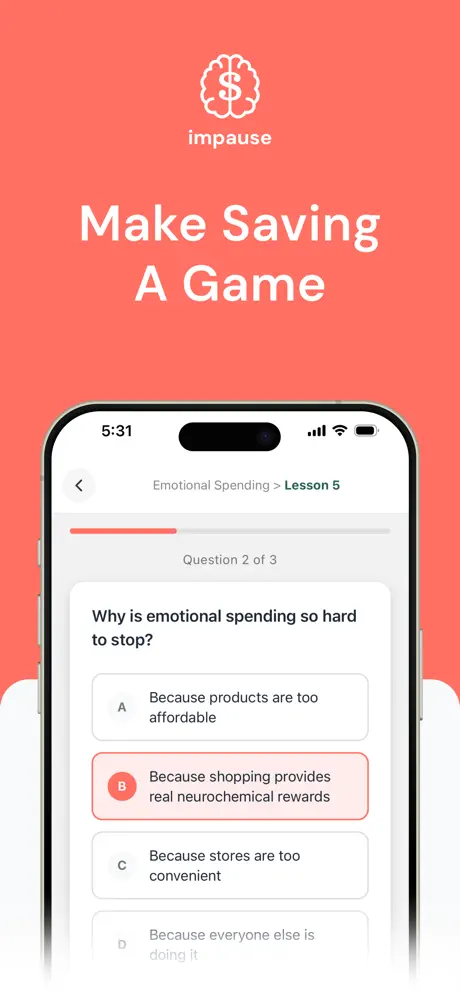
- Implemented the Challenges feature: gamified spending goals with streaks, progress tracking, and behavioral reinforcement loops that keep users engaged beyond initial onboarding.
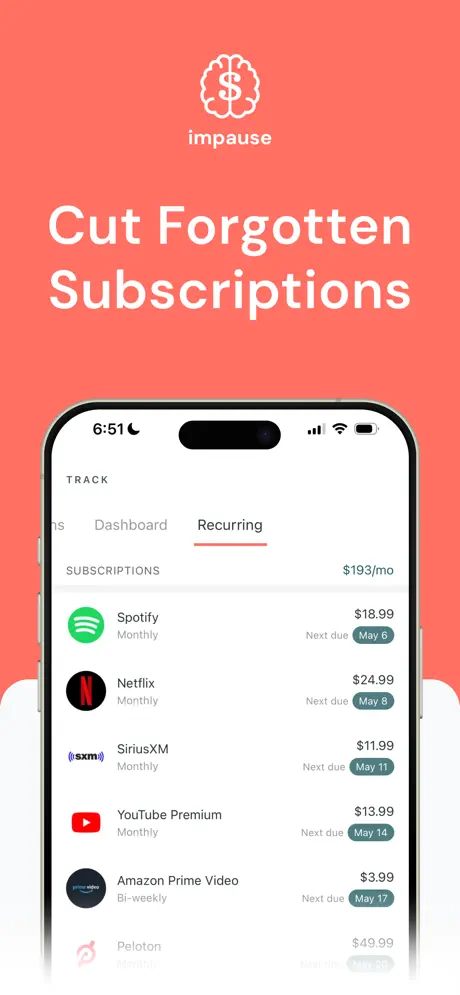
- Integrated Plaid for financial account connectivity — enabling Impause to surface real transaction data, identify subscription charges, and ground its behavioral analysis in actual spending history.
- Built the complete Supabase backend: database architecture, edge functions, row-level security rules, and the real-time data layer powering all communication between backend and mobile app.
- Implemented the full authentication and onboarding system — login, signup, user authorization, session management, and the personalized onboarding flow including the spending personality assessment.
- Set up push notification infrastructure for timely behavioral nudges, session reminders, and challenge progress alerts — a critical engagement layer for a habit-change product.
- Built and maintained the complete API integration layer, connecting all third-party services and internal systems into a cohesive, reliable data pipeline.
The defining moment
Building an AI-powered behavioral finance app isn't a standard mobile project. It required simultaneously holding three complex domains together: consumer UX that had to feel effortless, a financial data layer with Plaid that had to be airtight, and an AI engine that had to learn meaningfully from limited early-user data. TBox architected all three, built them in parallel, and shipped a complete product in under six months. The app launched on iOS with full Android capability already baked into the codebase — ready to expand the moment the business decides to.
What this demonstrates
Technical depth across AI, FinTech, and consumer product — delivered fast
Consumer apps live or die on the quality of their experience. There's no enterprise contract keeping users on the platform — if the app feels slow, confusing, or unconvincing, people leave. Building Impause required holding that consumer product standard while simultaneously managing the technical complexity of AI behavioral modeling, a regulated financial data integration via Plaid, and a scalable serverless backend on Supabase.
Most teams would have sequenced these: launch a thin MVP, add AI later, integrate Plaid in phase two. TBox delivered them together — because the product only works if all three layers are present from day one. A spending pattern engine without real financial data is guessing. An intervention tool without a behavioral model is noise. The architecture had to be complete to be credible.
The result is a live product on the App Store, backed by research from five of the world's top universities, already delivering measurable savings for users — and built in under half a year by a team that owned the full stack without hand-holding from the client on technical decisions.