All projects
eMushrif

Technical architecture

eMushrif

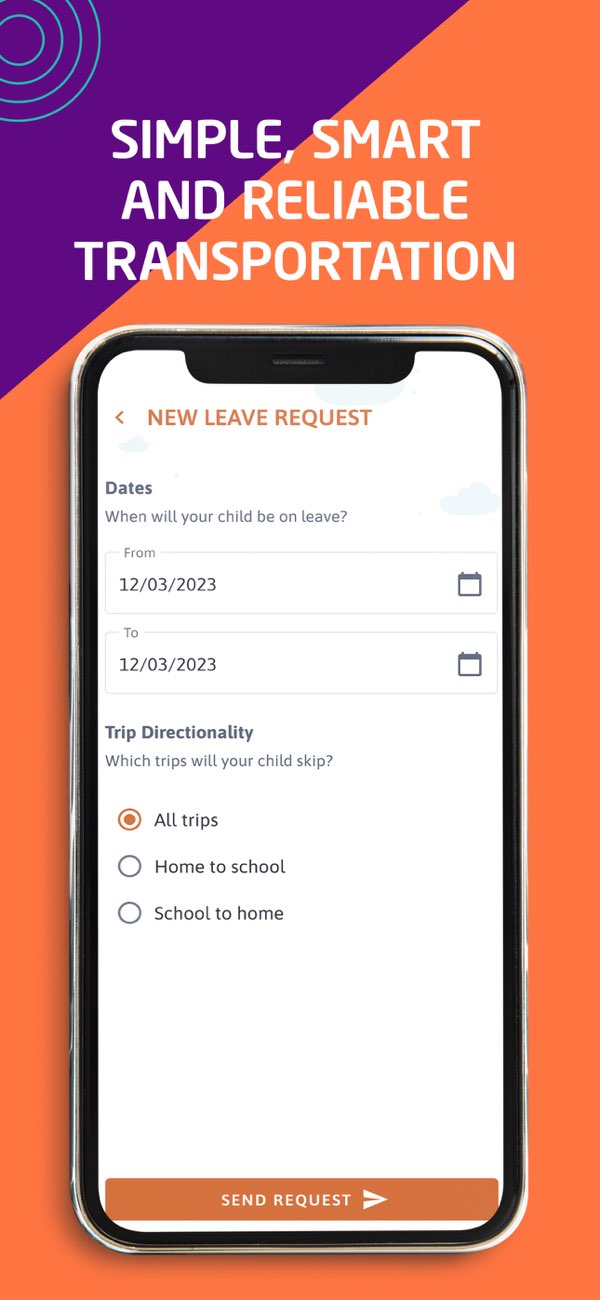
GCC's school transportation platform — real-time GPS tracking, IoT hardware integration, and a cross-platform Flutter application suite serving 150,000+ students across two countries.


Node.js
Express
Angular
Flutter
Dart
MongoDB
Firebase
Maps SDK
WebSocket MQTT EdTech · IoT 6+ years
150K+ Students tracked per day
6+ yrs Active engineering partnership
10 TBox engineers at peak
$10.8M Raised across 3 rounds
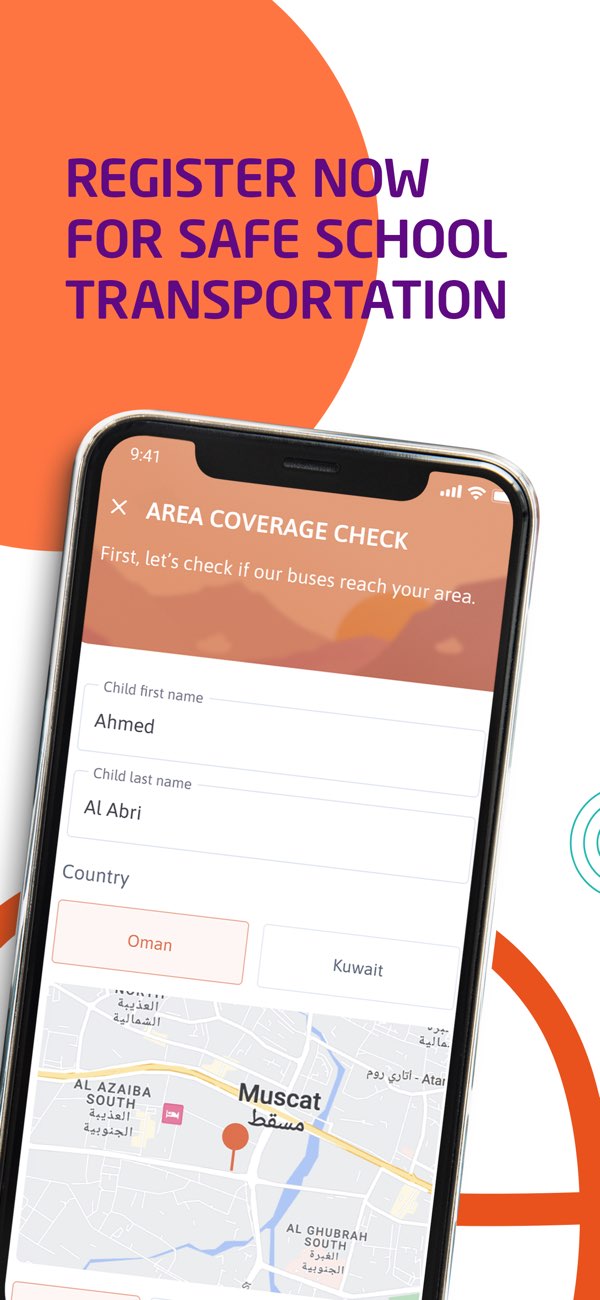
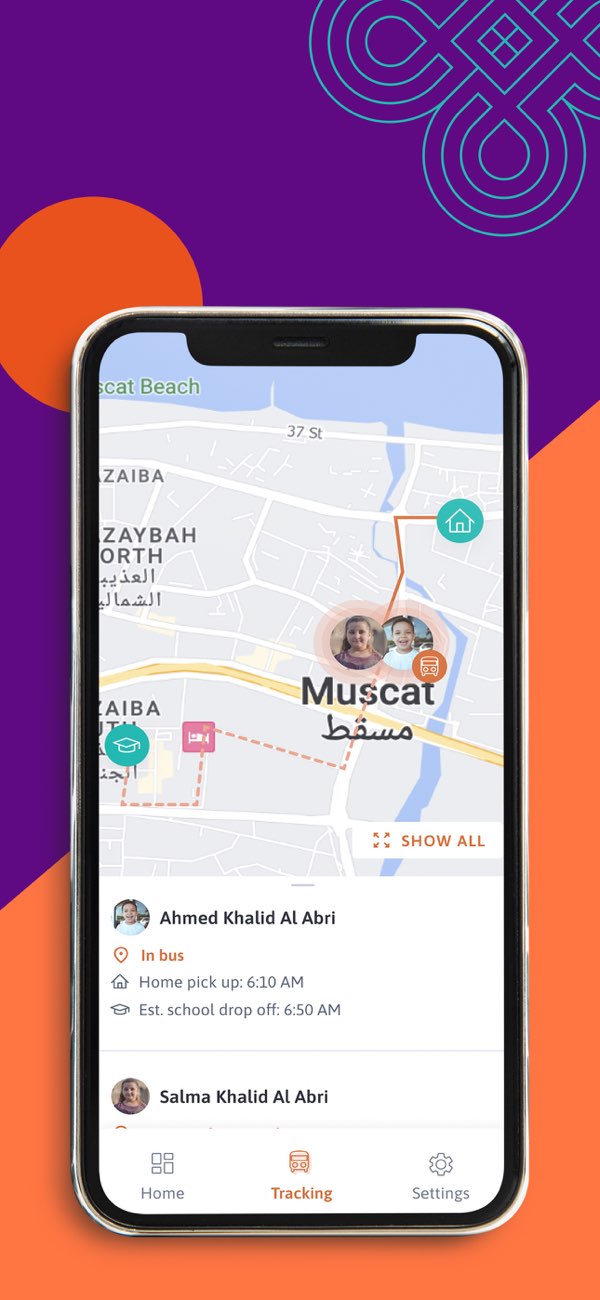
Parent app — live bus tracking
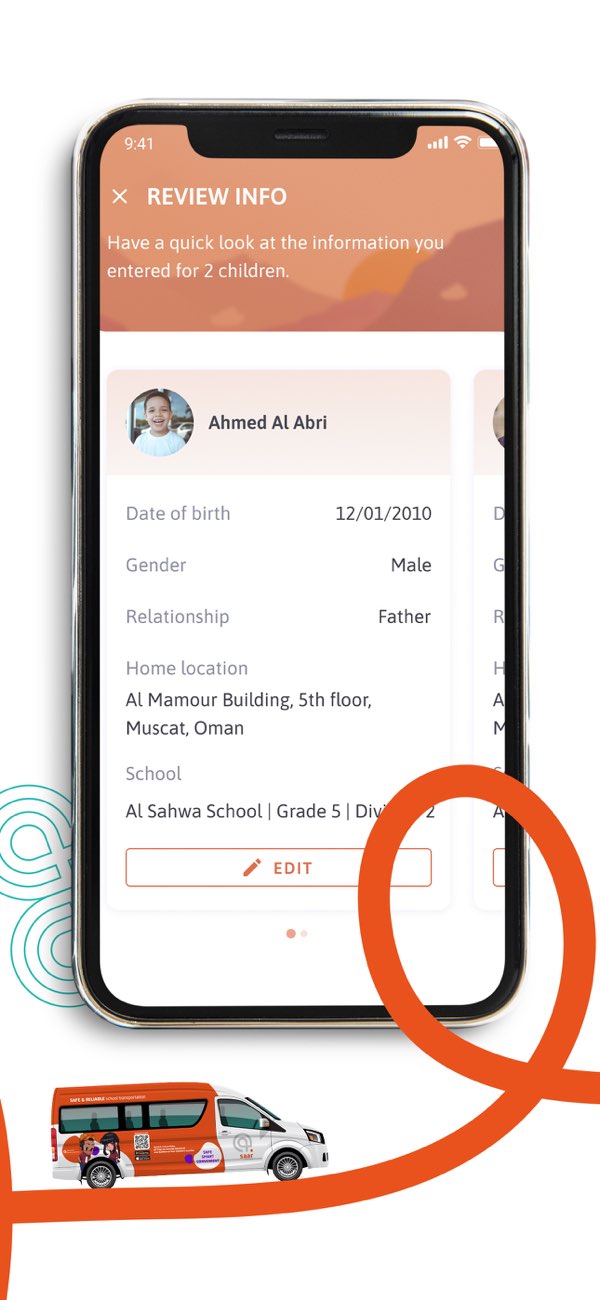
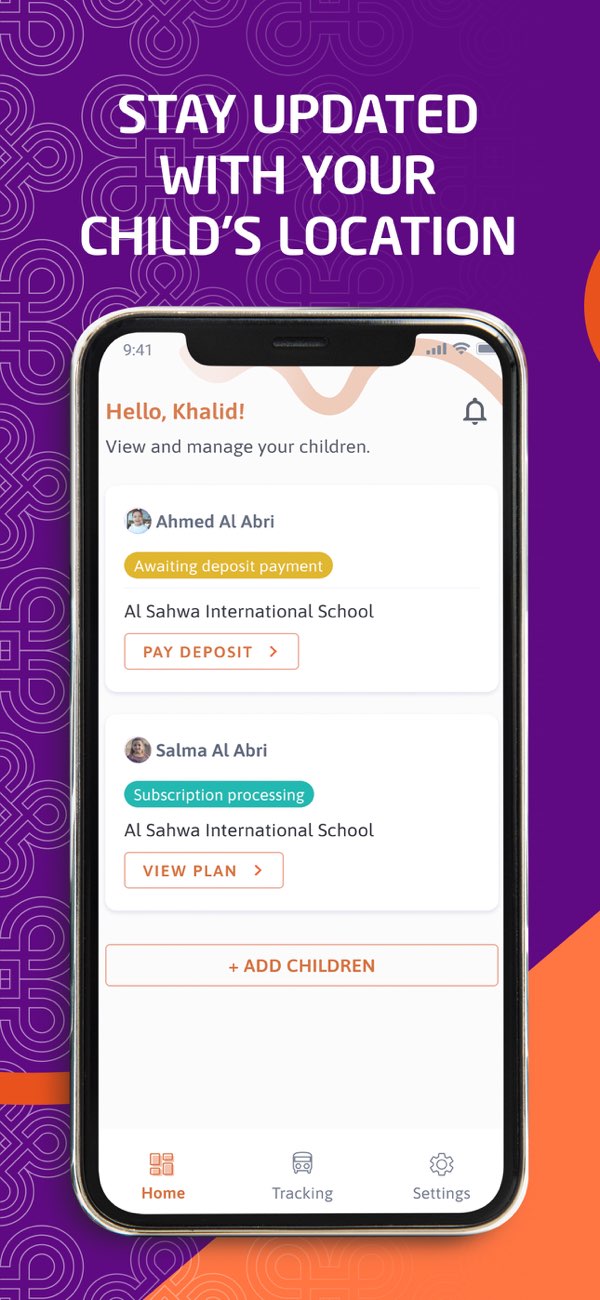
Parent app — child status
Parent app — route detail
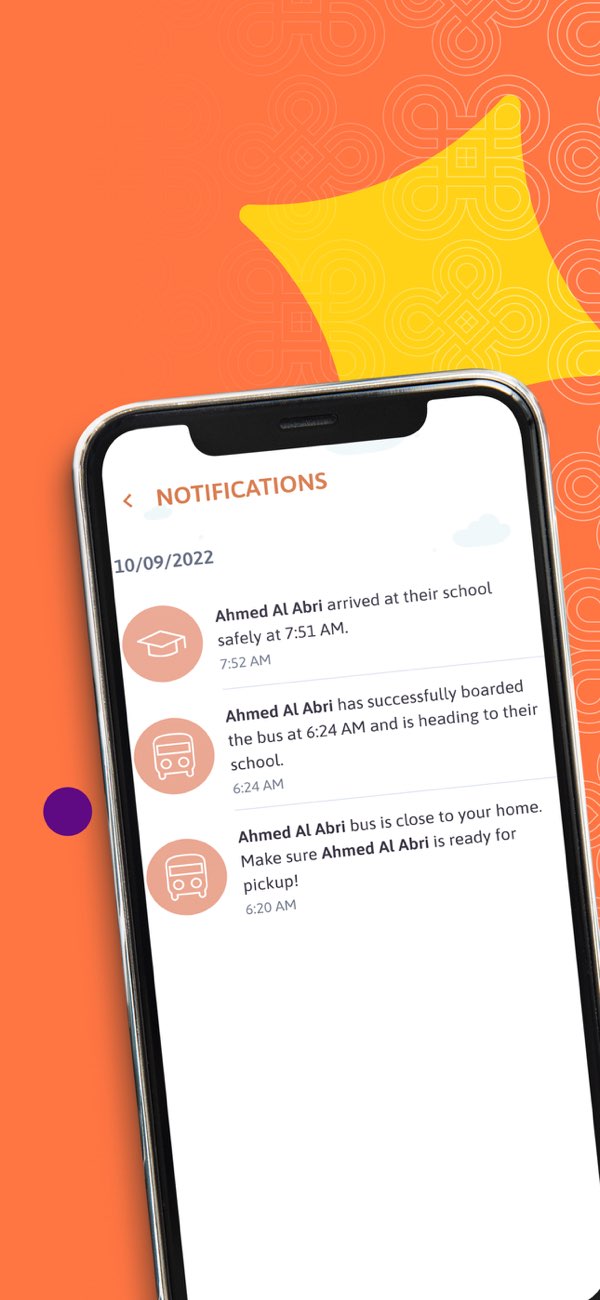
Trip notifications
Driver app — trip view
App onboarding
Mobile (iOS & Android)
Flutter Dart Google Maps SDK FCM / APNs
Admin dashboard
Angular REST API Google Maps JS
Backend
Node.js Express Socket.io MQTT MongoDB NGINX
Duration
2019 – present
Model
Staff augmentation
Peak team size
10 engineers
Markets
Oman · Kuwait
Stage
Seed → Series A → Growth
Markets
Oman · Kuwait
IDO Investment — Lead, Series A Phaze Ventures Jasoor Ventures — Lead, 2026 Oman Tech Fund

Three engineering decisions that define the product

Real-time GPS pipeline
MQTT → Node.js → WebSocket in under 2 seconds

Every bus carries a GPS unit publishing its location every 5–10 seconds via MQTT — a protocol designed for constrained hardware, with as little as 2 bytes of overhead per message. The Node.js backend subscribes to the broker, runs geofence checks on each event, and pushes the result over WebSocket only to parents tracking that specific bus. No polling. No broadcast floods. The entire pipeline — device to parent screen — completes in under 2 seconds.

Multi-tenant data model
Hundreds of schools, zero data leakage

Every document in MongoDB is scoped to a schoolId at the root level. Isolation is enforced at the API middleware layer — not in individual controllers — so no query can reach another school's students, routes, or trip history. When eMushrif expanded from Oman to Kuwait, it required zero architectural changes: separate MongoDB instances per country, with the API routing requests from each school's country field.

Cross-platform mobile — Arabic-first
Flutter on iOS + Android, RTL from day one

The parent app started in React Native and was migrated to Flutter — delivering a single codebase across iOS and Android without sacrificing performance for live map rendering or background push alerts. Arabic RTL was a first-class layout direction from the start, not retrofitted: Flutter's bidirectional text and Directionality widget handle RTL natively, with bilingual Arabic/English strings synced to the backend content model. The result: a product that feels at home in its market.

Evaluating our technical capability?

We're happy to go deeper on any architecture decision, share anonymised code samples, or walk through our engineering approach on a call.

Start a conversation →